
June 16, 2018 Beqaa – Bekaa

Wow! This is the 5th day, imagine waking up early morning everyday, thinking what to wear ? hahaha True!
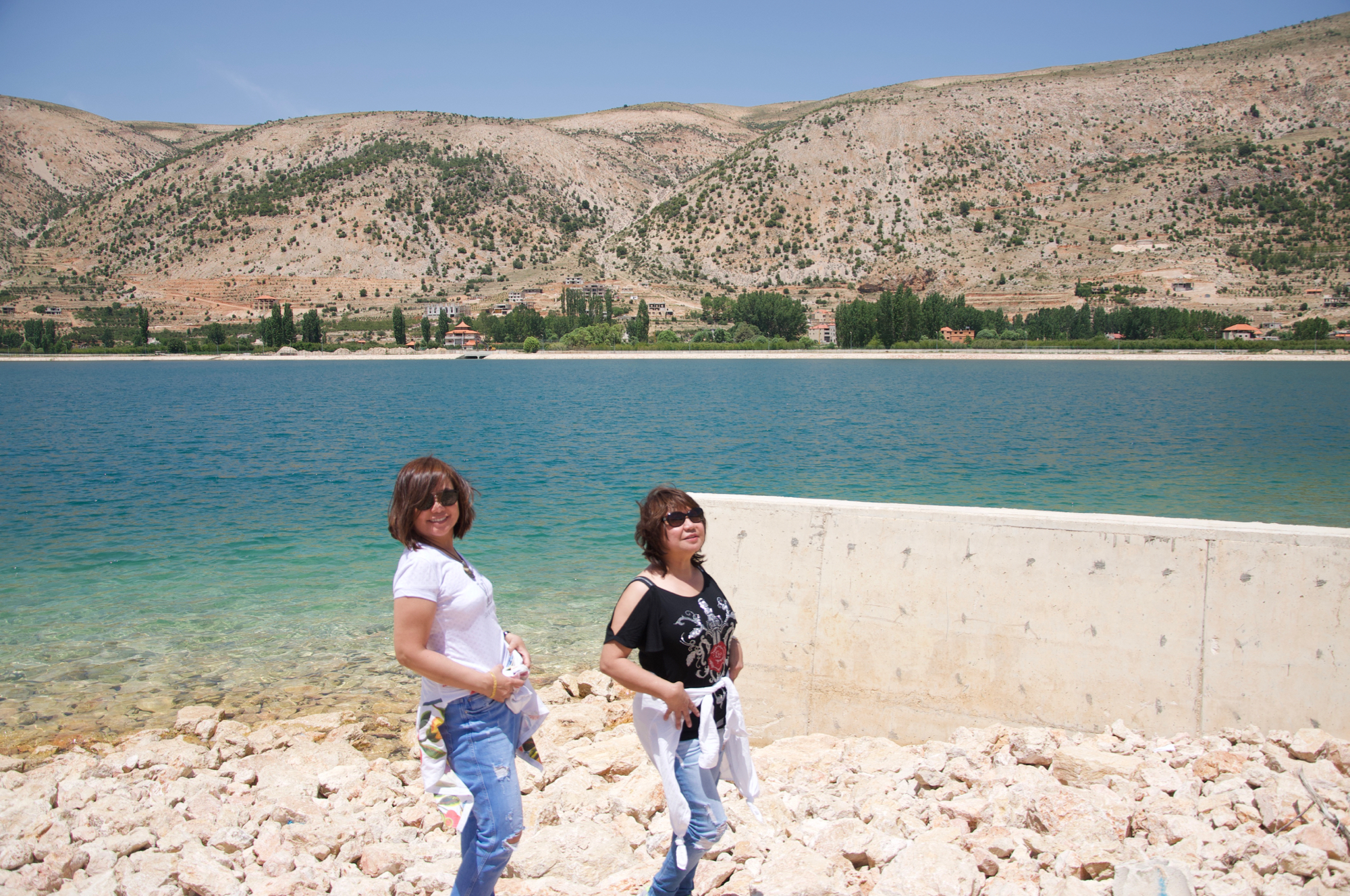
Believe me…I see you’re smiling, with my madame malou huh! Wearing same clothes for two consecutive day is a NO! Period! Funny, I was told that Lebanese women are very fashionable, like to wear high heels etc. So , I packed a reasonable clothes, kind of middle, not too formal, not too rugged , a wedge shoes and a rubber shoes. Oh! I’m glad I also packed a jogging pants, just in case 🙂 If I knew beforehand, we will be hiking and walking everyday, I will bring a more appropriate clothing and foot wear.

Beqaa is fertile valley in the eastern region, located about 30 km east of Beirut. It is situated between Mt. Lebanon to the west and Anti -Lebanon mountains to the east. 
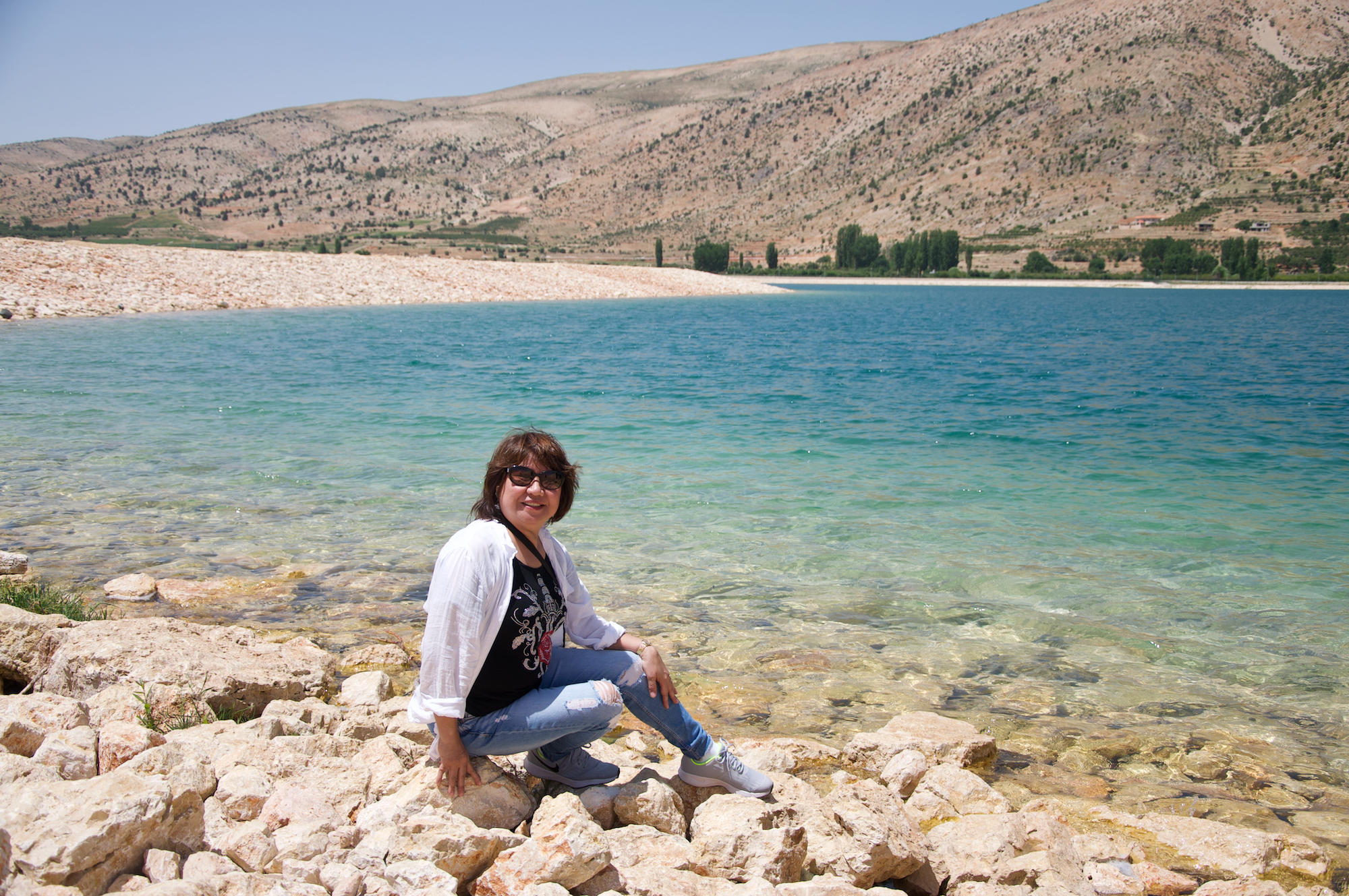
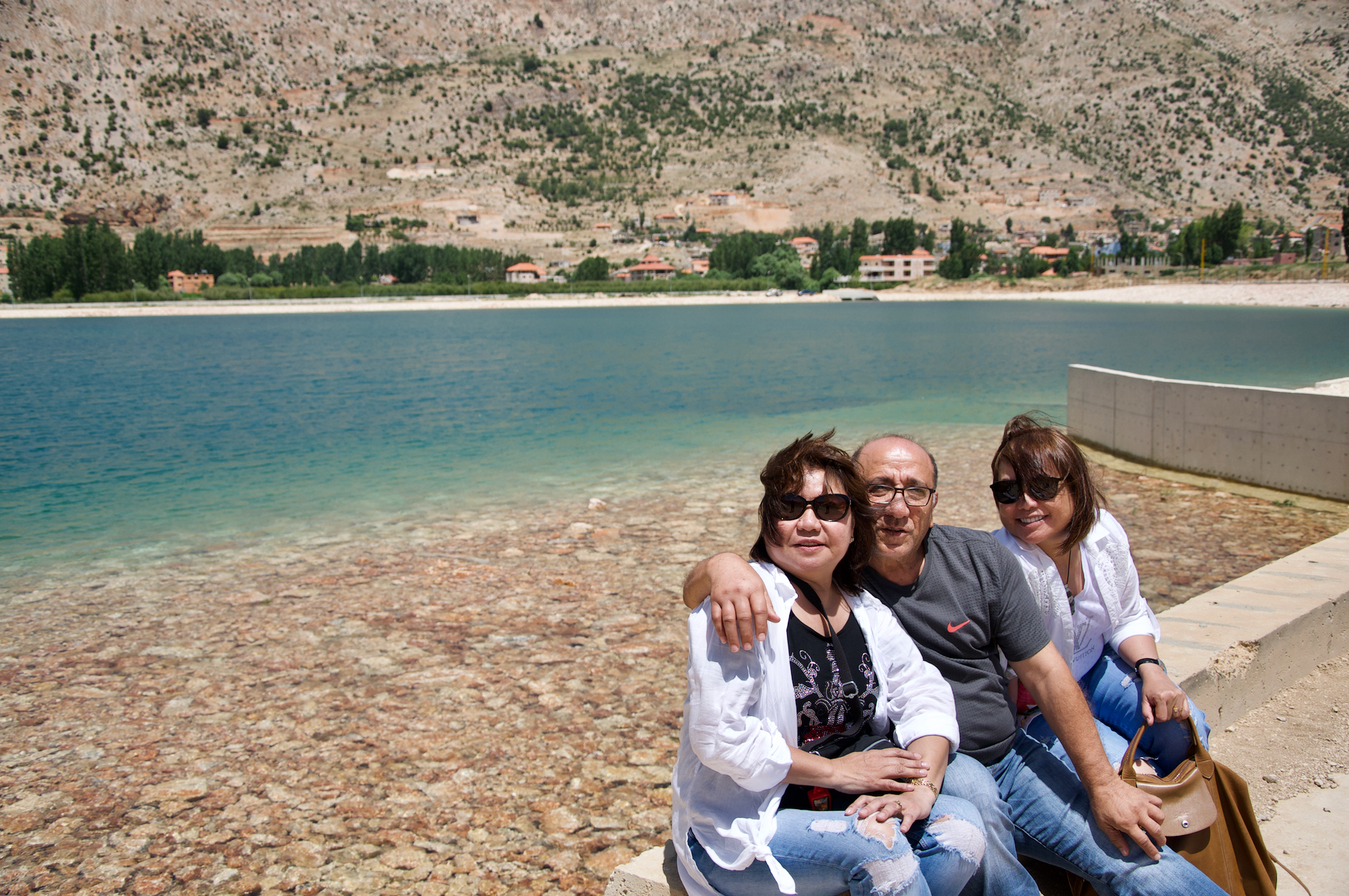
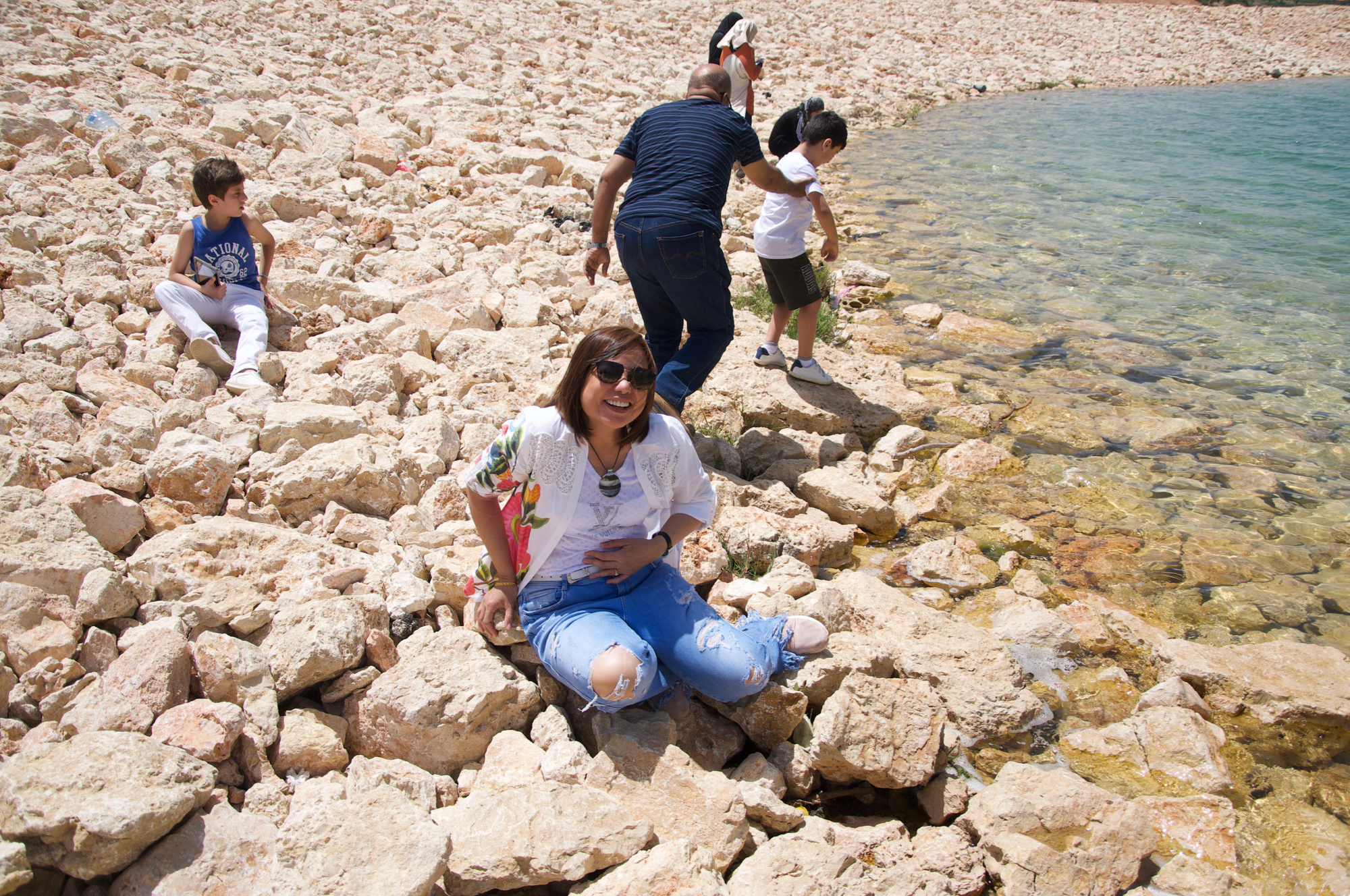
The water that flows came from the Valley. It’s a beautiful place with lots of trees. And as we drive forward, in a middle of nowhere, a spectacular view of a man-made lake (not sure actually) awaits us. Awesome view, my photos were taken while I am inside the bus.

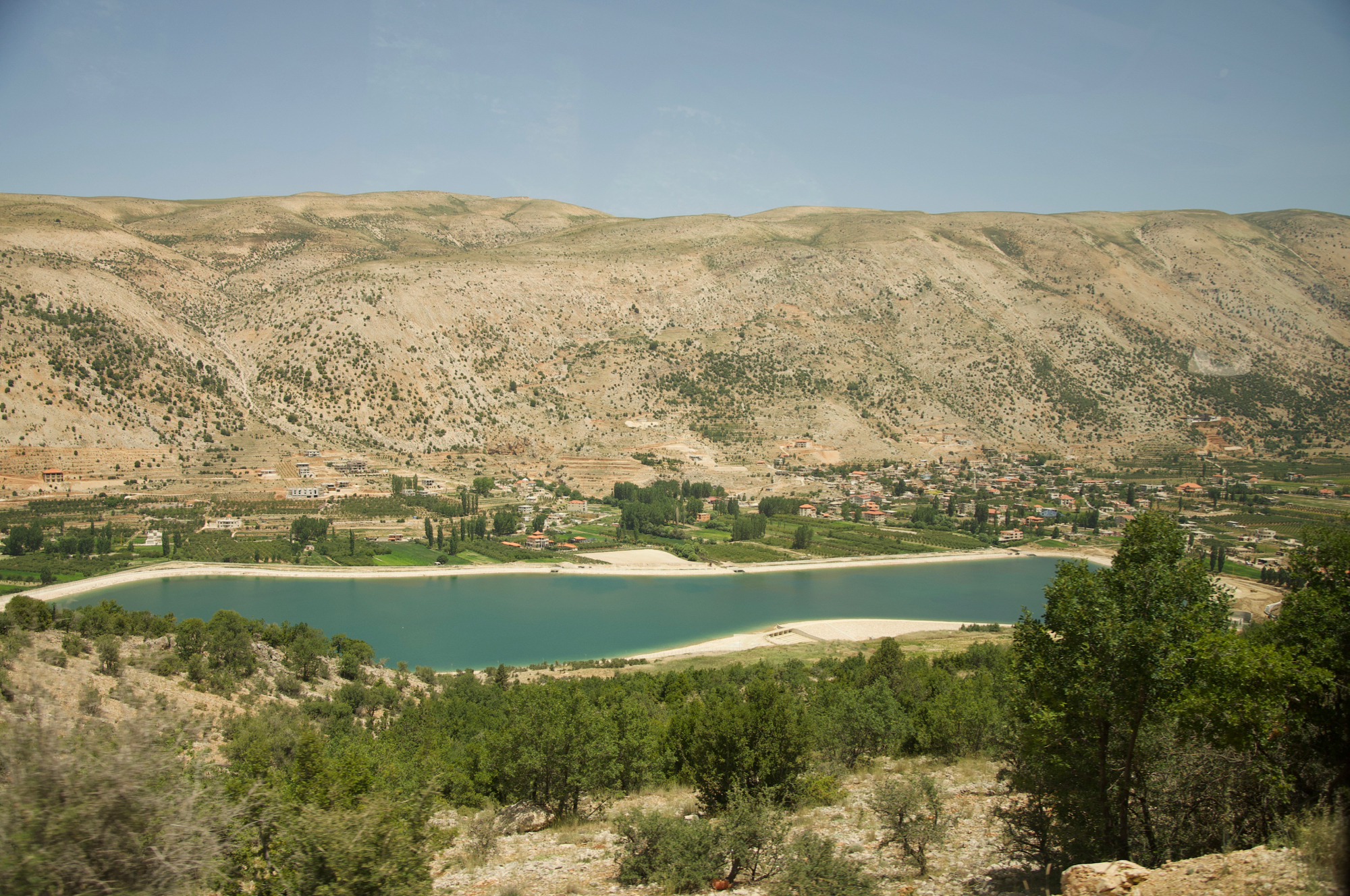
The elongated plateau is known for its warm and dry summer and on winter the mountains were covered by snow.
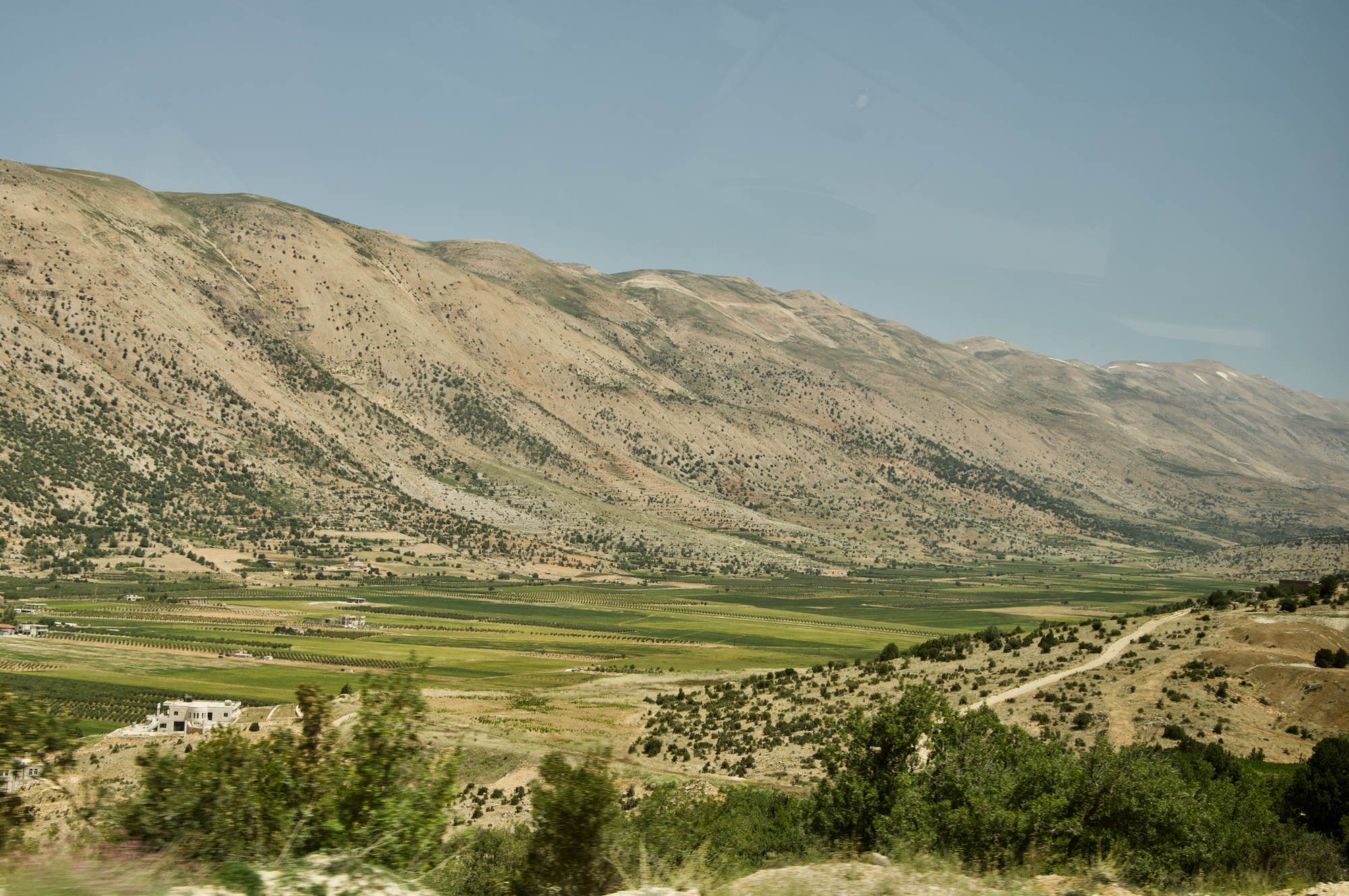
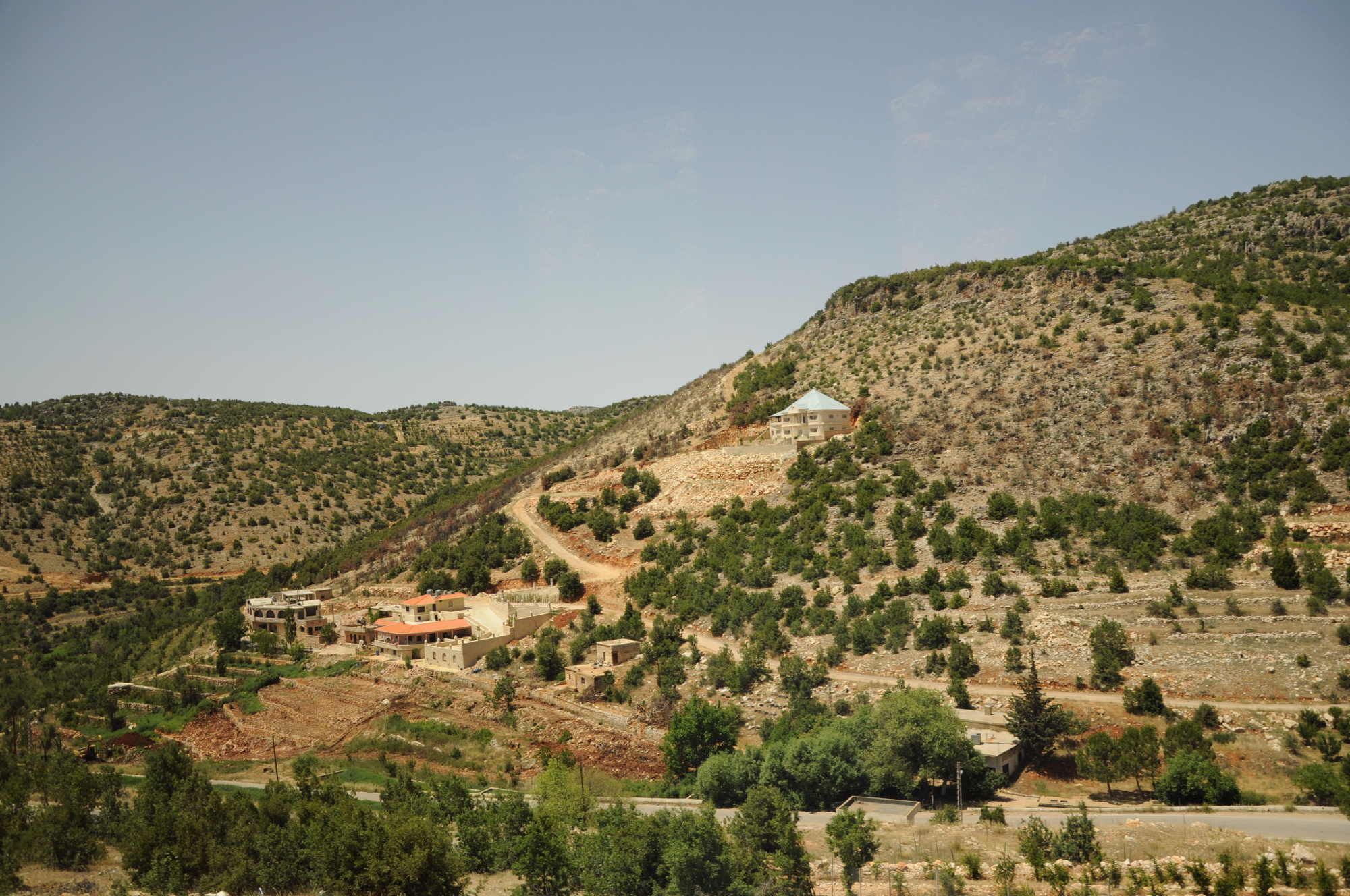
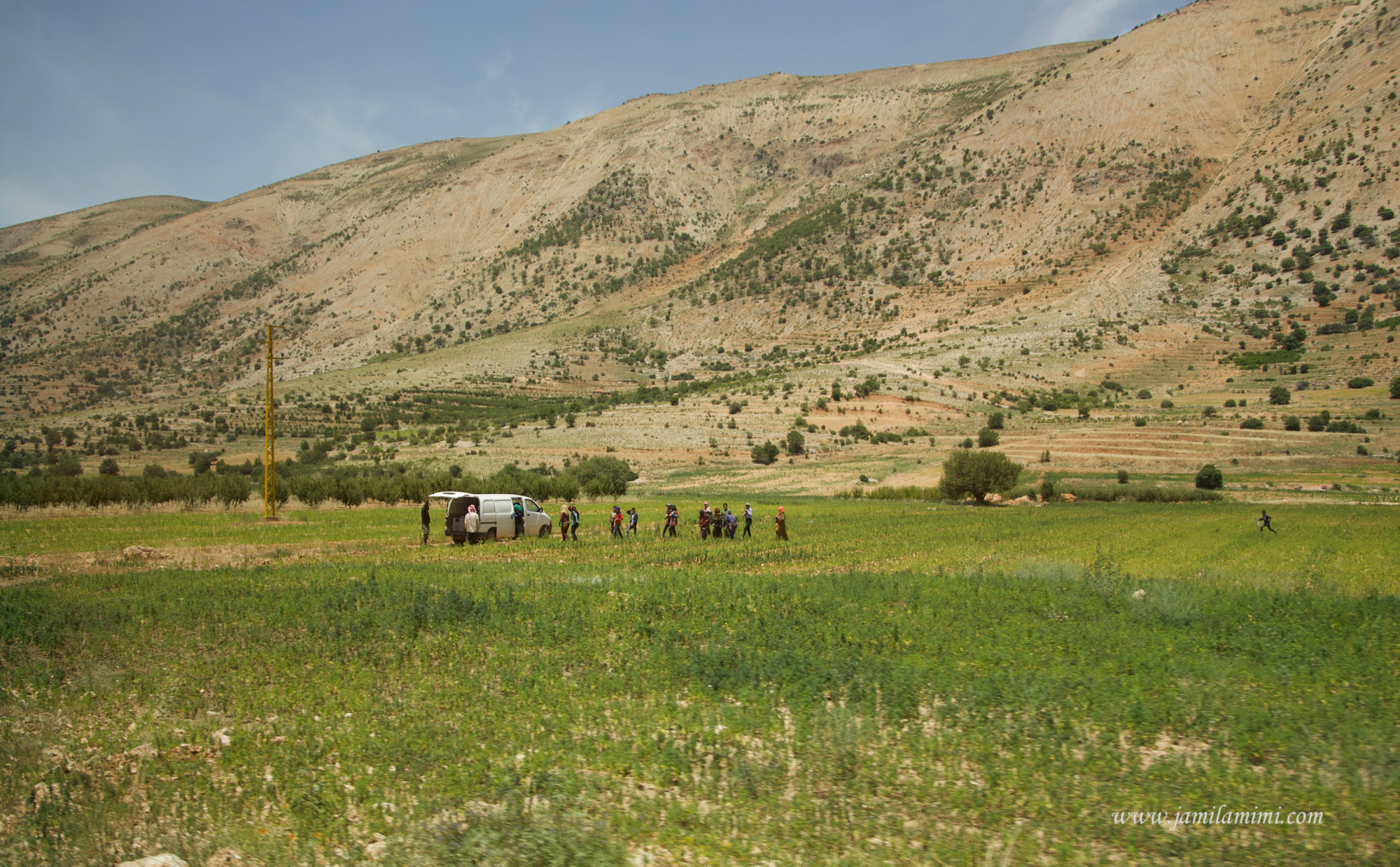
During Lebanese civil war, cannabis cultivation was a major source of income, but it seems, it continues until now. Fields were planted with figs, apples and cannabis as well.
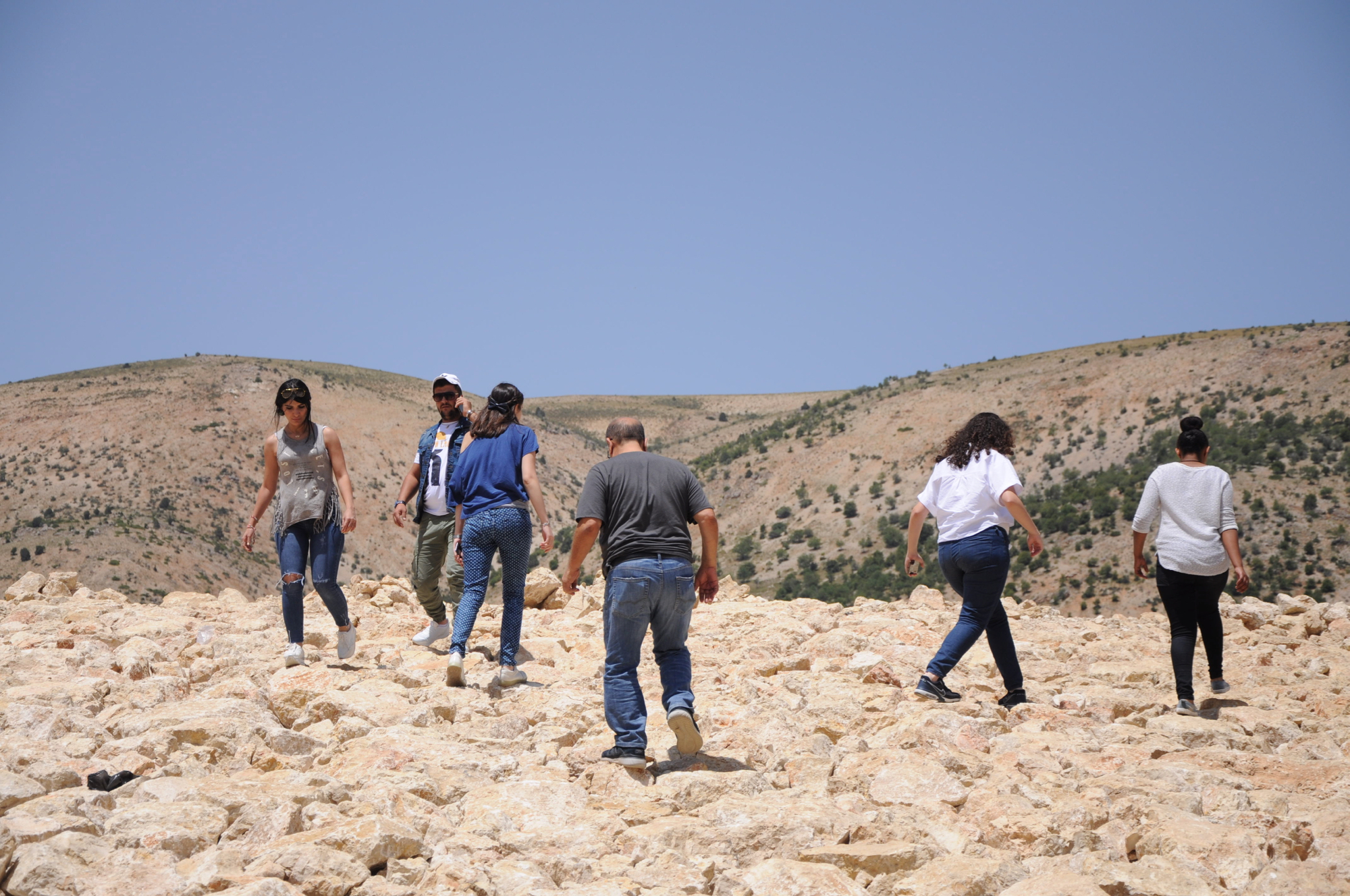

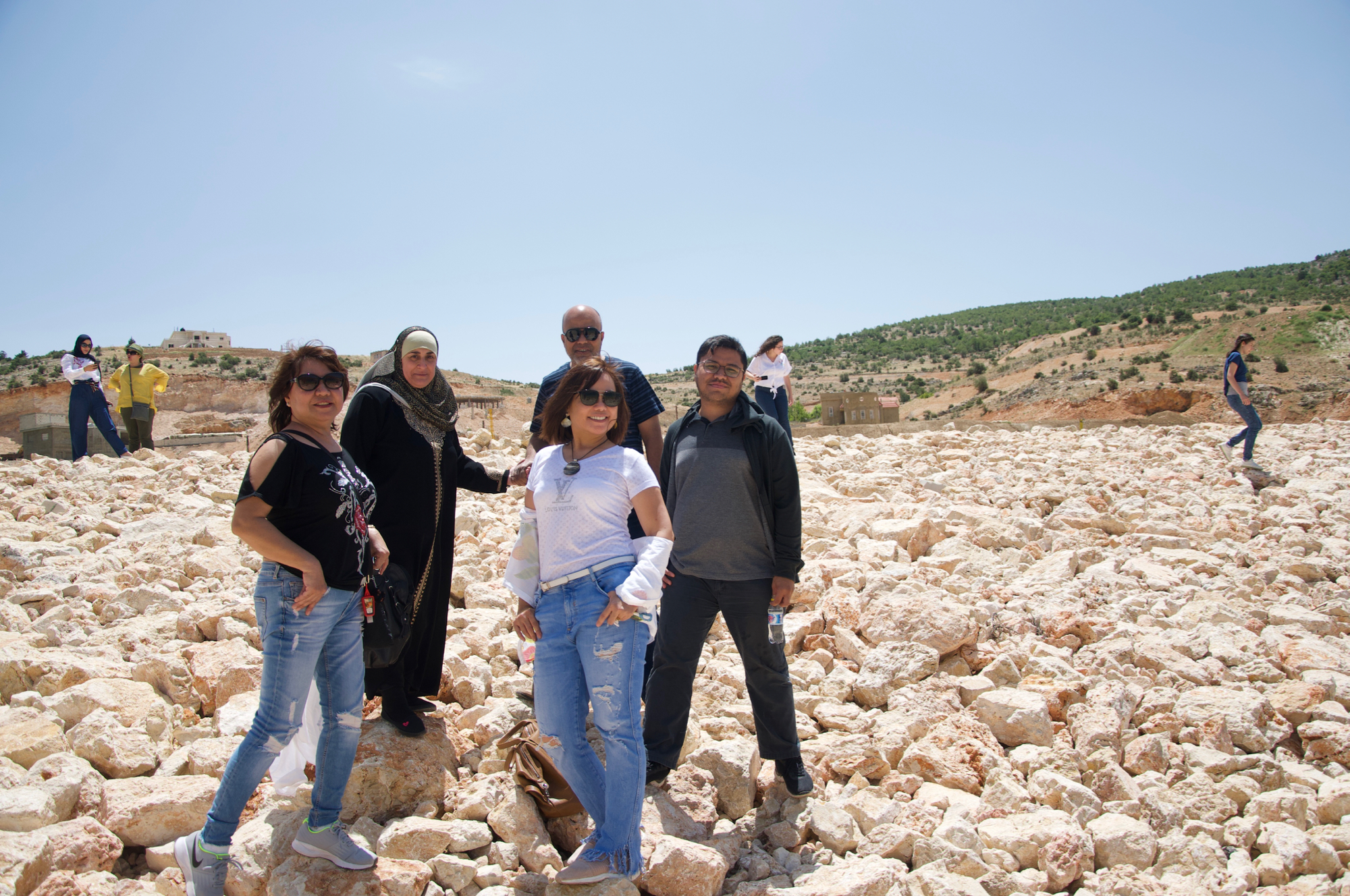
We went down and took photos, and of course ladies, we had a fun-filled photo shoot 🙂
June 16, 2018 – Baalbek Roman Ruins

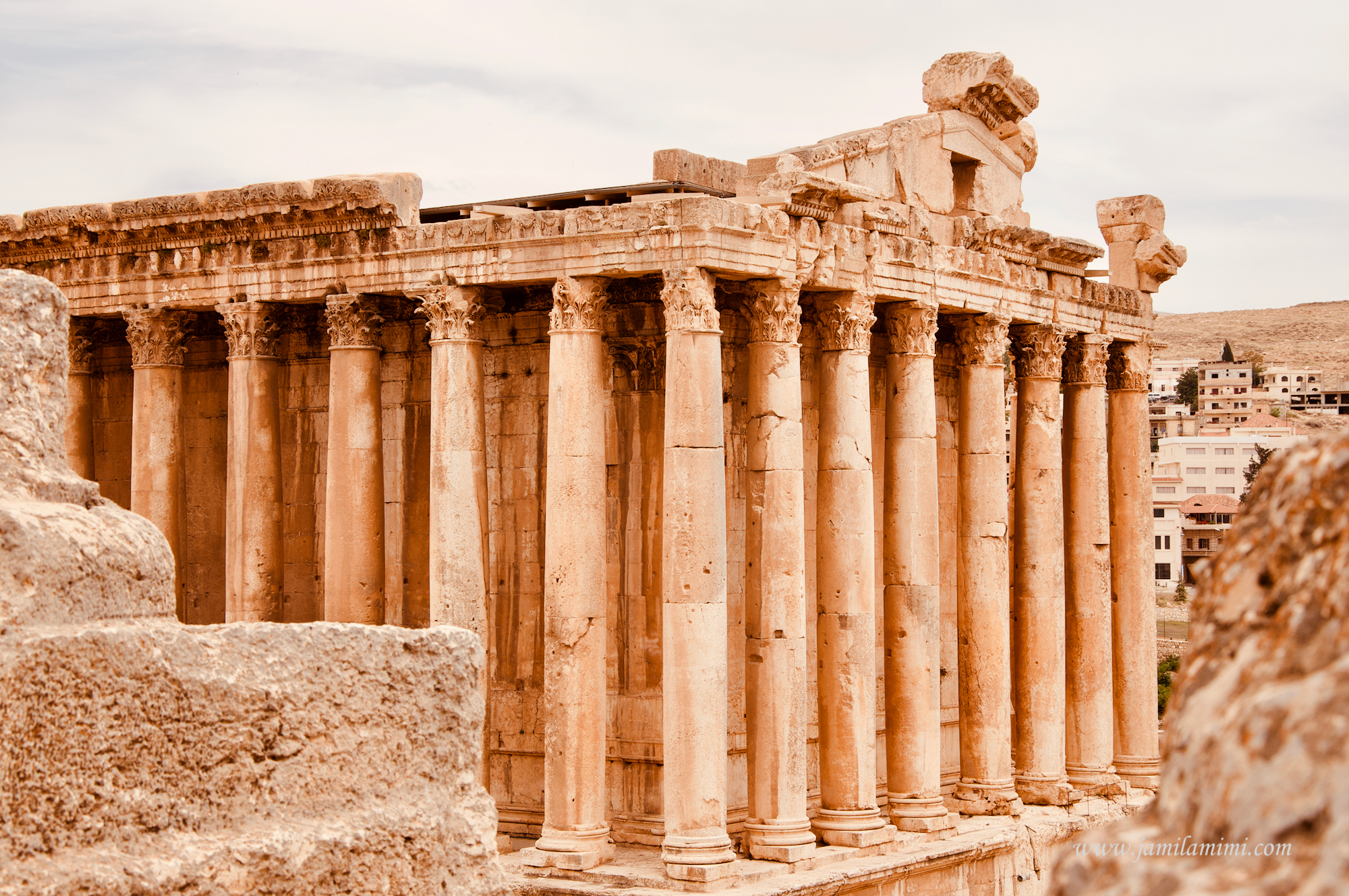
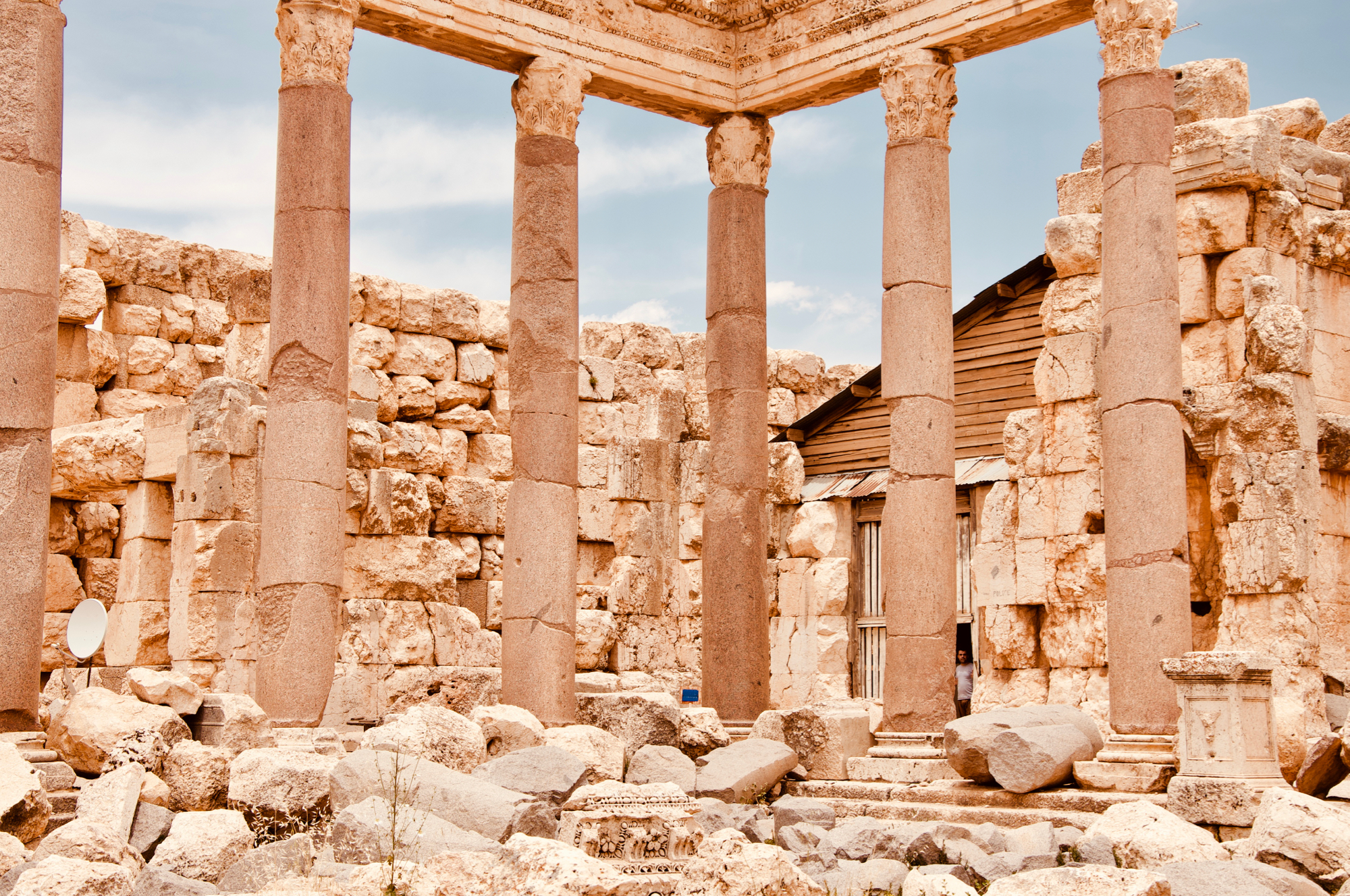
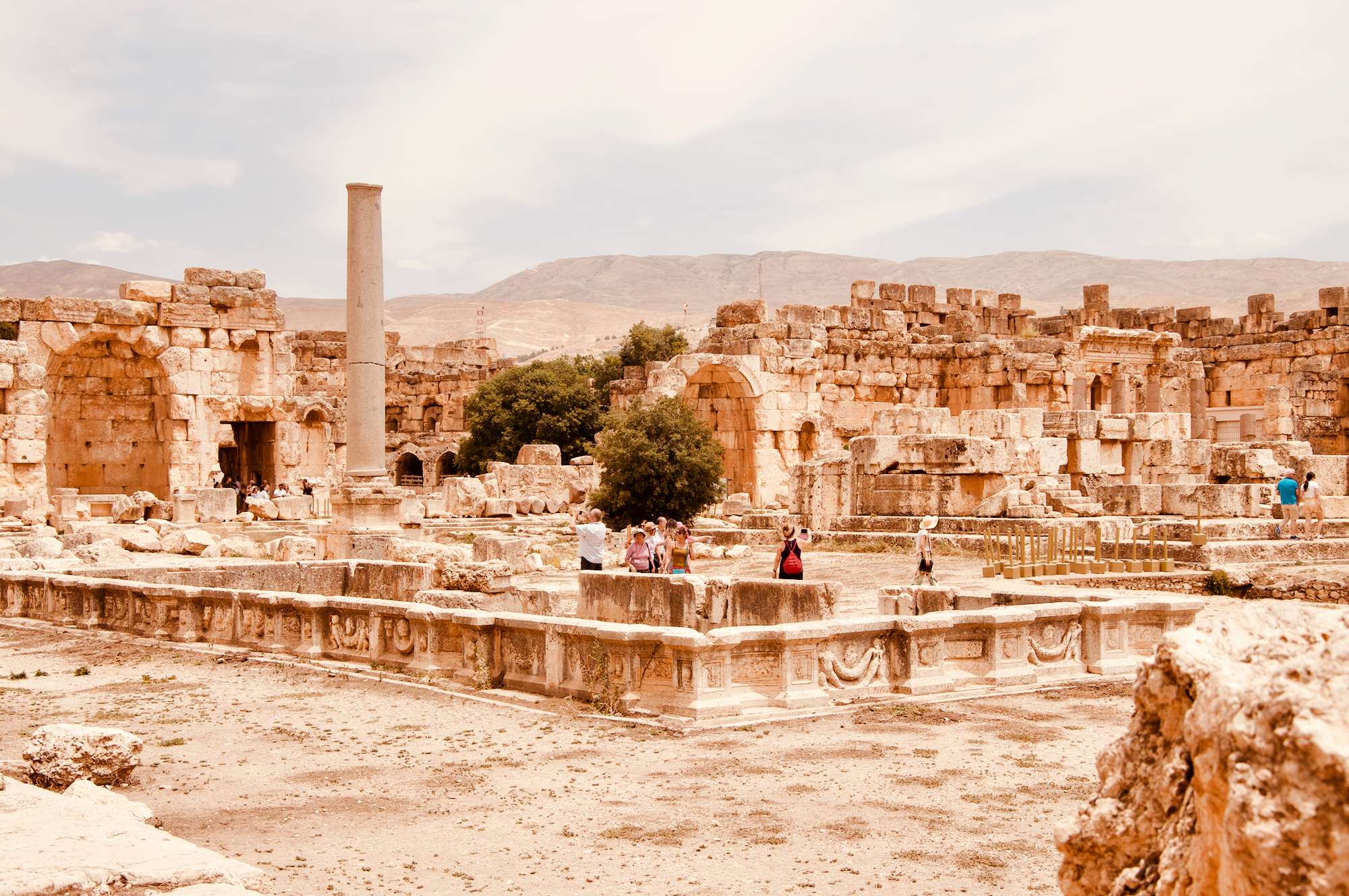
Ba’albek or Baalbek is an ancient Phoenician city in Anti – Lebanon foothills east of Beqaa Valley. ( the name “Baalbek” means Lord Baal of Beqaa Valley). It’s fascinating to note that Baalbek inhabited as early as 9000BCE. Alexander the great conquered Baalbek and renamed it as “Heliopolis” City of the sun.
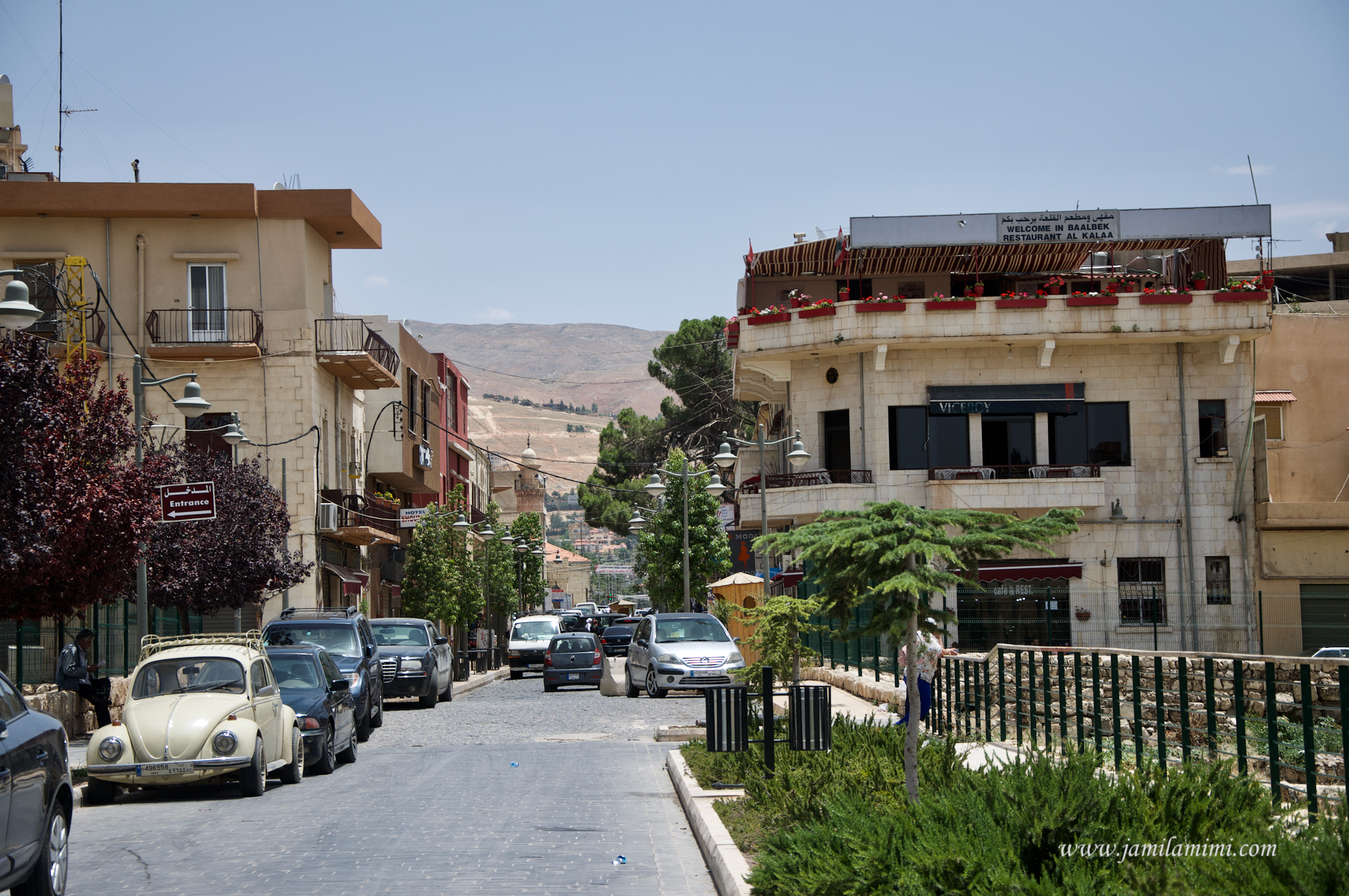

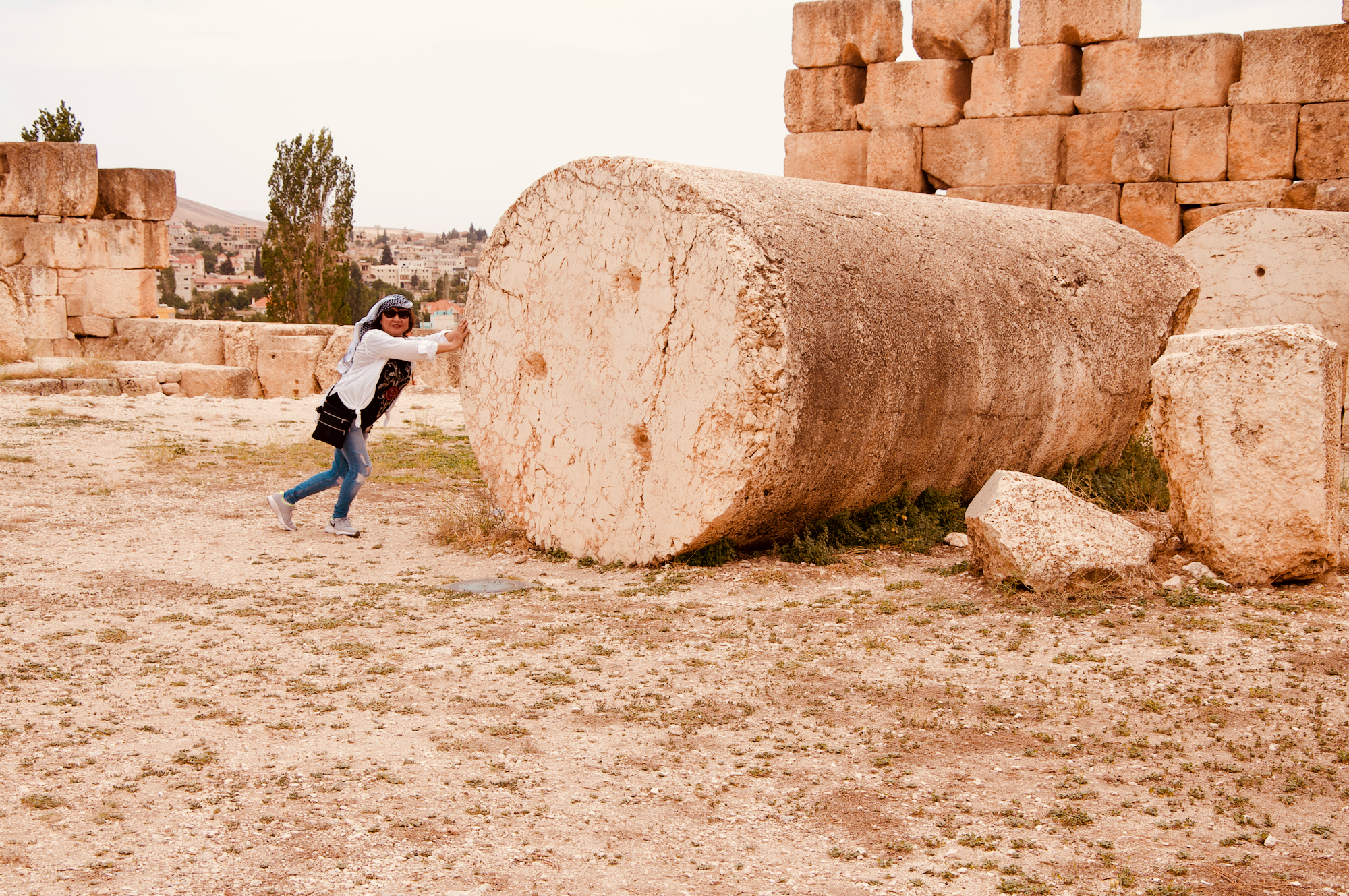
I know, in my high school year, hmmm pardon me, I only remembered some words in my History book like Ottoman empire, Alexander the Great, Heliopolis City 🙂 Not in my wildest dream that one day, I will be standing at the ruins of Ancient Roman Empire. I wonder how these massive tons of stones were moved ,placed and arranged.

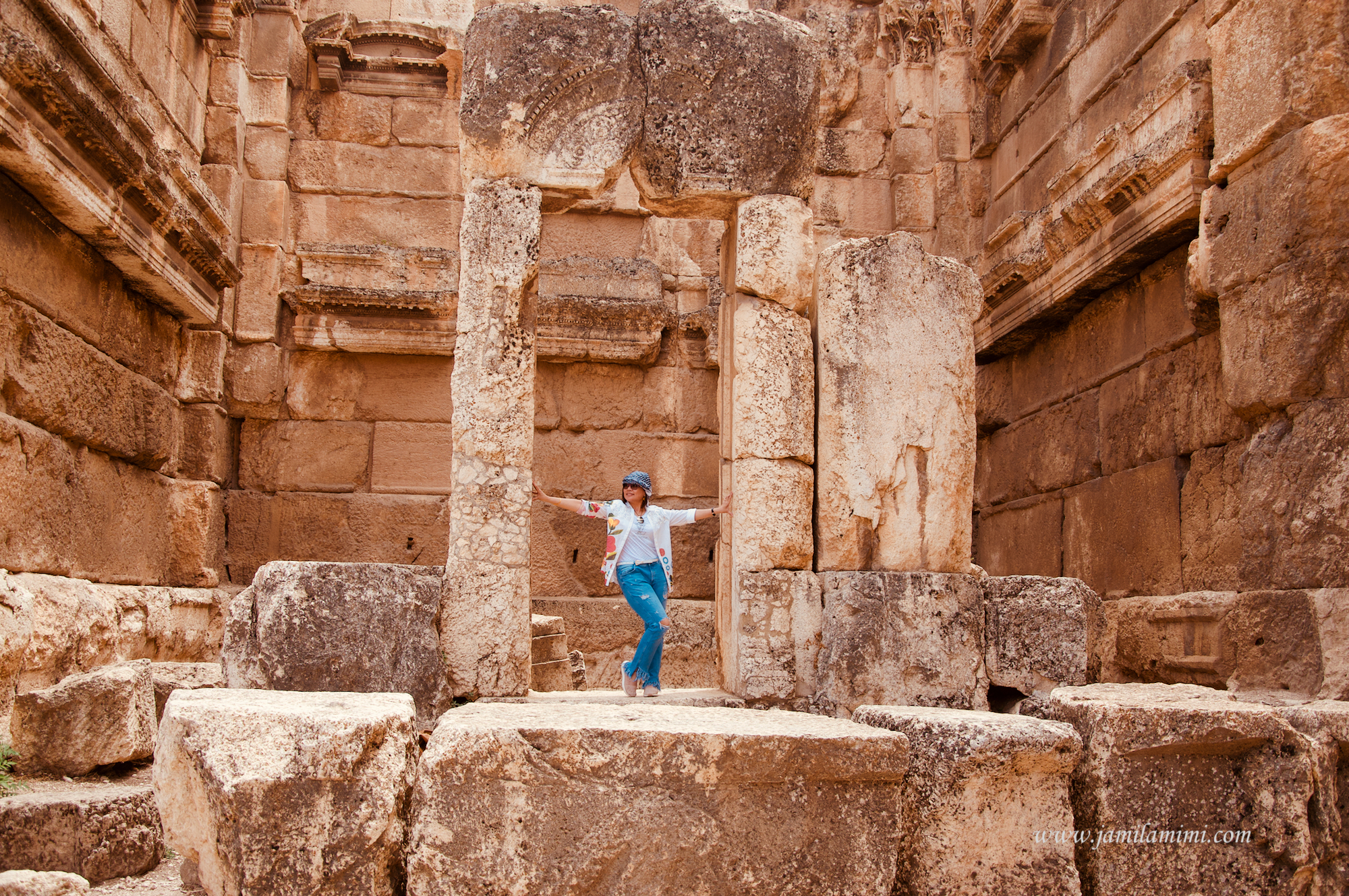
look at me 🙂 nope look at the stones, so huge! how they were able to moved it? Fascinating.. right?


Another wonder of all wonder is the giant stone called “Stone of the Pregnant Woman”
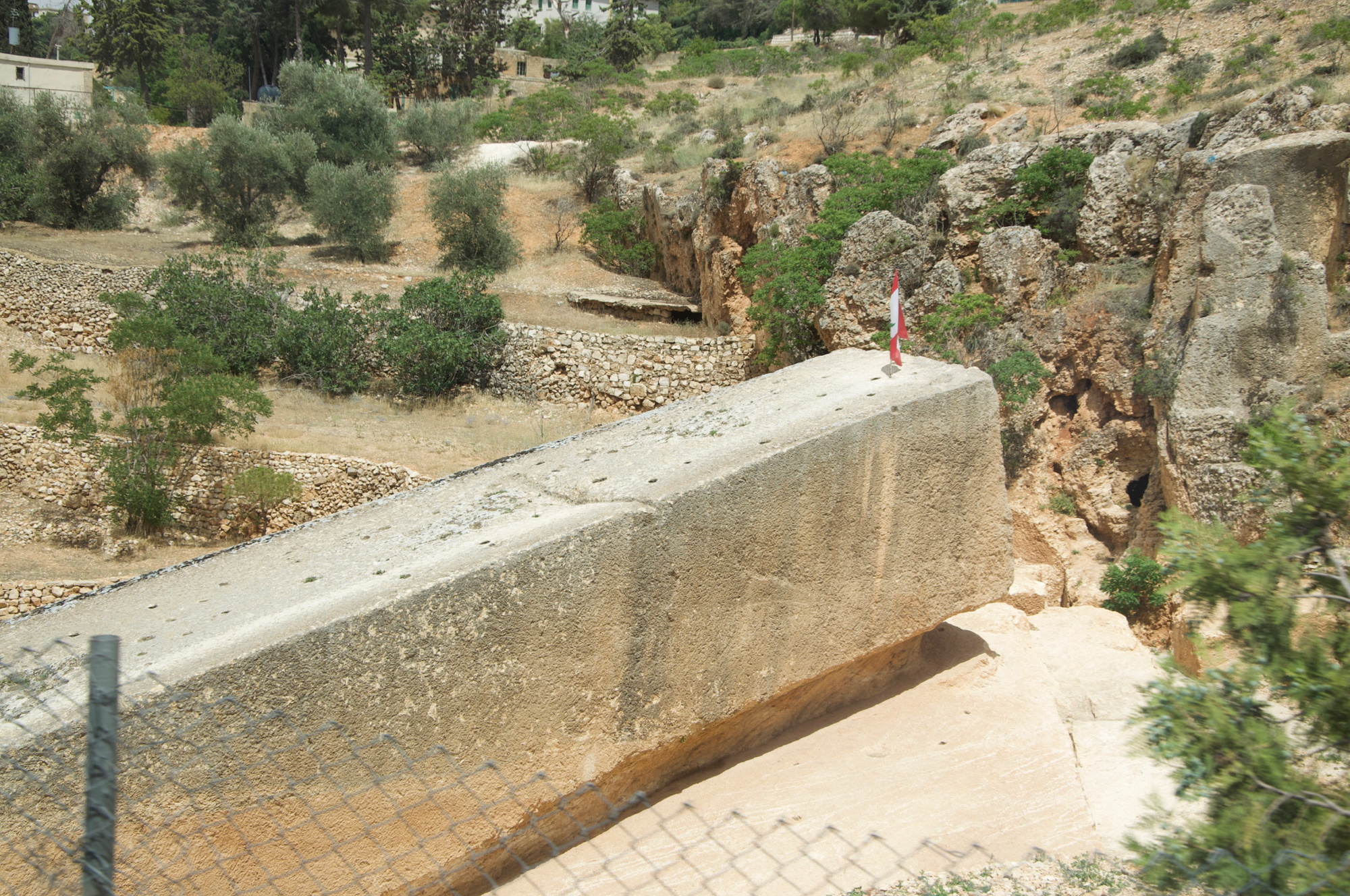

Pregnant stone? does it deliver stone? hahaha nope! There were many stories behind the given name. One says, the monolith is named after a pregnant woman who tricked the people into believing that she knew how to moved the huge stone, if only they would feed her until she gave birth. While other say, the name reflects the belief that any woman who touches the stone will increase the chance of getting pregnant.
Ladies, whatever the story is, Baalbek should be in your bucket list!
Cheers,
Jamilamimi@beautybeyondfifty
©Copyrights protected
 Dr. Myriam- The Dental Aesthetic Clinic
You must be logged in to post a comment.